River Hero Homes
River Hero Homes is a community of stewards that realize the first step to a healthier James River starts at home.
Implementing river-friendly conservation practices at homes is as easy as properly disposing of pet waste, using native plants, reducing the use of fertilizers, herbicides, and pesticides, and conserving water. Members of the River Hero Homes program receive a membership card, yard flag, sticker, and discounts at local nurseries and other businesses in partnership with the James River Association.
Sign up for our Rain Barrel and Native Plant workshop notifications
Sign up here to receive a notification when our next workshops are scheduled.
Polluted stormwater runoff is a significant contributor of pollution to the James River and its tributaries. Every time it rains, pollutants including sediment, fertilizers, herbicides, pesticides, and bacteria from pet waste flow from our yards into local waterways via stormwater runoff. Stormwater pollution adversely impacts the health of the James and threatens the health of people and wildlife.
Be a hero for your community and river! Take the pledge today!
Did you miss one of our River Hero Home webinars? That’s okay, we recorded it for you!
What our River Hero Homes are doing
River-Friendly Practices
The journey to a cleaner, more vibrant James River begins in our own backyards. Every native plant added, every gallon of water conserved, and every chemical-free lawn contributes to a legacy of stewardship. Explore our core river-friendly practices below and join a growing community of neighbors dedicated to protecting the James, one yard at a time.
Pick up after your dog
Pet waste carries harmful bacteria like E. coli into our local waterways during rain or snow. To protect our river, always follow three simple steps: carry a bag, pick up the waste, and toss it in the trash. This easy habit keeps the James River safe for swimming and recreation.
Install a Rain Barrel
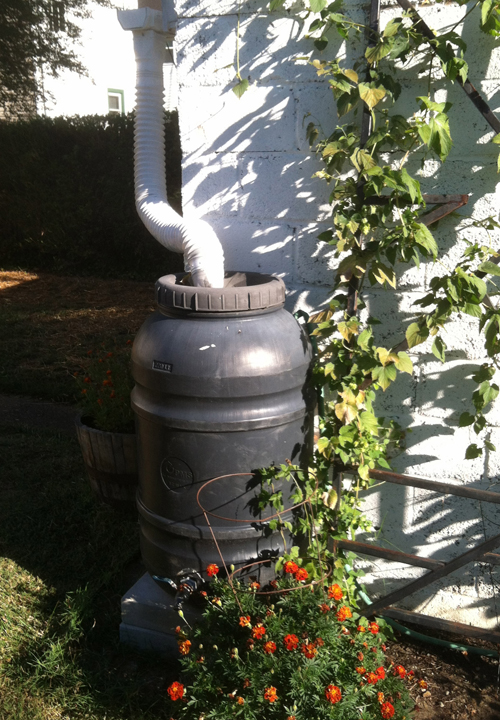
Rain barrels are an inexpensive way to reduce stormwater pollution leaving your property. For example, the average homeowner can collect over 1,500 gallons of water every year! By capturing runoff from your downspout, you can save money on your water bill and protect the quality of local streams.
Resources:
Choose Native Plants
Native plants are perfectly adapted to our local soil, rainfall, and temperature. Because they have natural defenses, they require much less water, fertilizer, and pesticides to thrive. Furthermore, swapping your lawn for native beds creates a beautiful, low-maintenance habitat for local birds and pollinators.
Resources:
How to Landscape with Native Plants at Home
BayScapes Homeowners Guide
Build a Rain Garden
A rain garden is a shallow, planted depression that allows rainwater to soak into the ground naturally. This prevents runoff from hard surfaces, such as roofs and driveways, from reaching our storm drains. Consequently, these gardens act as a natural sponge that filters out pollutants while beautifying your yard.
Resources:
How to Build a Rain Garden at Your Home
Plant a Trees
Trees are essential for a healthy river ecosystem. Their canopies capture rainfall to reduce soil erosion, while their roots improve water infiltration into the ground. Additionally, planting trees provides vital wildlife habitat and can even lower your home’s cooling costs during the summer.
Resources:
Tips for planting trees
Tree Owners Manual
Riparian/Streamside/Shoreline buffer
If you live near water, maintaining a vegetated buffer is your first line of defense. These riparian or shoreline areas of trees and shrubs filter pollutants and stabilize banks against erosion. To start, simply stop mowing to the edge of the waterway and allow native vegetation to grow.
Resources:
Riparian Buffers
Living Shorelines
Reduce herbicides, pesticides and fertilizer Use
Excess nitrogen and phosphorus from fertilizers cause toxic algal blooms and “dead zones” in the James River. To improve your soil structure naturally, try top-dressing your lawn with a thin layer of compost in the fall. Healthy soil attracts beneficial insects and reduces the need for chemicals.
Septic System Maintenance
A malfunctioning septic system can leak wastewater into groundwater, threatening the health of your neighbors and the river. Therefore, you should have your tank cleaned and inspected every five years. If you use a garbage disposal, increase your maintenance schedule to every one to three years.
- Do not use excessive amount of water in short periods of time and install water saving fixtures when possible
- Do not plant water loving plants, vegetables, or place mulch on top of drainfield. A grass lawn is the best thing to have on top of your drainfield
- Be mindful of what goes down your drain and into your garbage disposal
Resources:
Septic Systems and Drainfields
Membership Resources
Members of the River Hero Homes receive private invitations to webinars as well as a biennial newsletter.


River Hero Homes would not be possible without generous support from Altria and DuPont Clear into the Future. Their support allows us to promote conservation and stewardship practices that support a healthy James River.