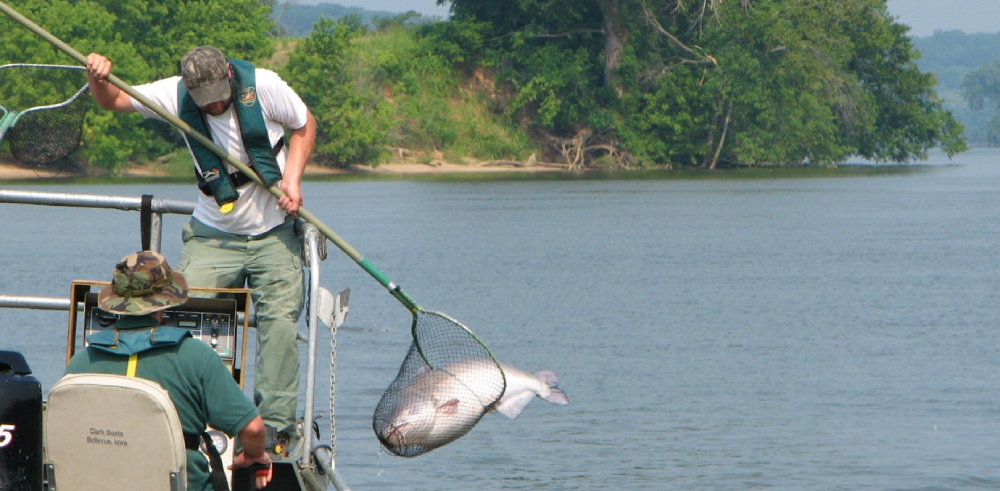
At a glance, Blue Catfish might seem like just another trophy target for Virginia anglers. They’re large, plentiful, and put up a great fight on the line. But beneath the surface of the James River, this popular sport fish poses a serious threat to the health of our river and its native wildlife. These Blue Catfish are disrupting the river’s ecological balance and placing already vulnerable native fish populations at even greater risk.
Where Did Blue Catfish Come From?
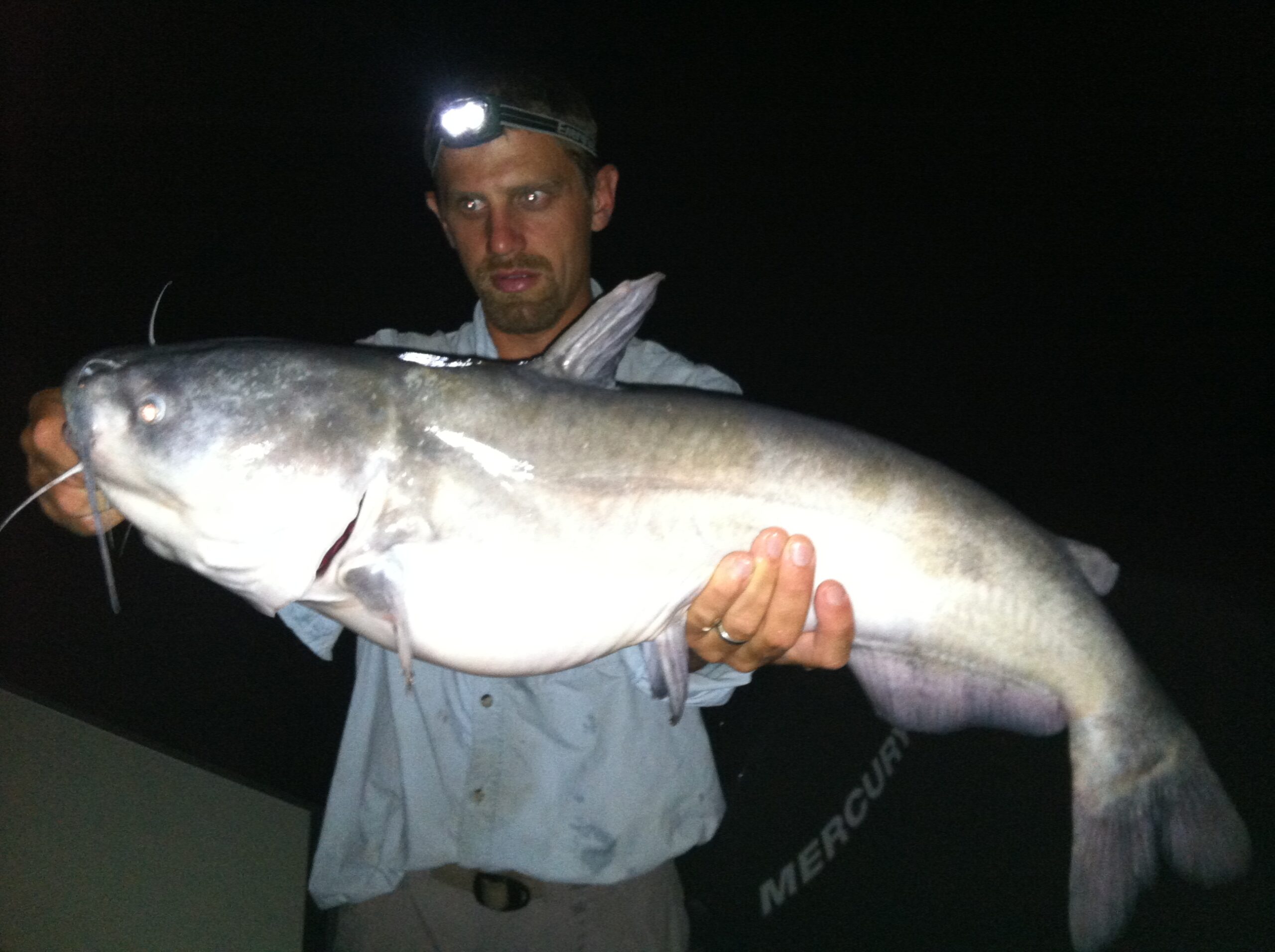
Blue Catfish (Ictalurus furcatus) are native to the Mississippi River Basin, where they have long been a valued game fish. In the 1970s and 80s, they were introduced into Virginia’s tidal rivers, including the James River, for recreational fishing. What seemed like a promising fishery expansion quickly turned into an ecological challenge. With no natural predators in these new waters, a broad diet, and an ability to thrive in both fresh and brackish environments, Blue Catfish populations exploded. Today, they are one of the most abundant species in the tidal James River.
Why Are Blue Catfish So Destructive?
These fish are voracious. They are opportunistic feeders that will consume just about anything they can fit in their mouths. Their diet includes other fish (both large and small), blue crabs, freshwater mussels, and even oysters, small mammals and birds. This indiscriminate feeding behavior has significant ripple effects throughout the river’s ecosystem.
A Threat to Migratory Fish
Some of the species most at risk are the native migratory fish that rely on the James River for spawning. Blue Catfish prey heavily on juvenile, and sometimes even adult, American Shad, a species already struggling due to historical overfishing and habitat loss. They also pose a threat to Alewife and River Herring, two critical forage fish that support the entire aquatic food web. Even the Atlantic Sturgeon, a critically endangered species, is impacted, not necessarily as prey, but through increased competition for food and disturbance of their spawning grounds.
There is growing concern that Blue Catfish may also feed on the eggs and larvae of native fish species, further compromising recovery efforts. Their widespread presence, from the freshwater headwaters down into brackish estuarine zones, means that their impact extends across the entire length of the river.
To learn more about our native migratory fish and how you can help protect them, visit https://thejamesriver.org/protect-migratory-fish/.
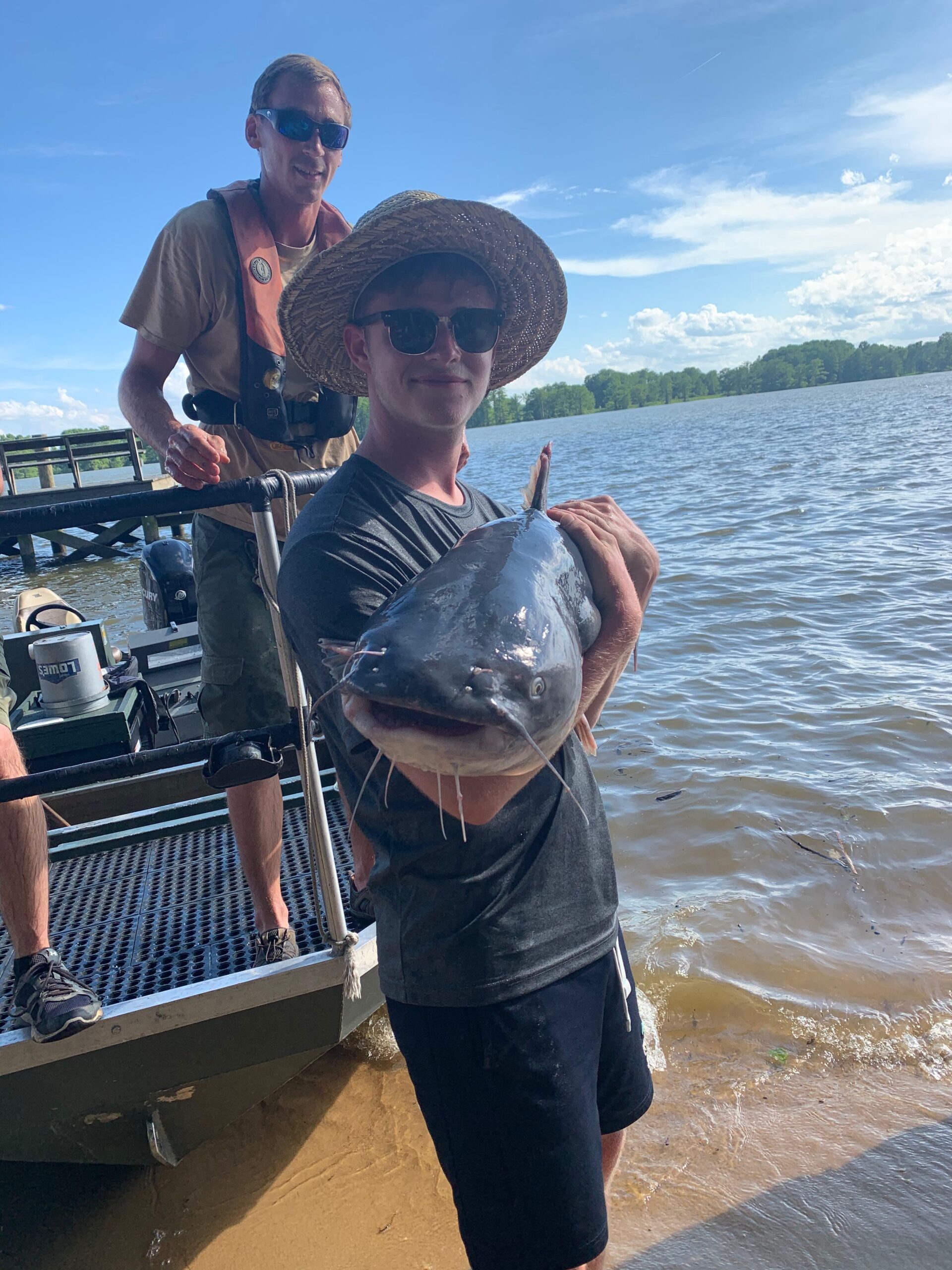
Embraced by Anglers, Harmful to the Ecosystem
There’s no denying that Blue Catfish have become popular among local anglers and a commercial fishery for these species is seeking a boost as well. They grow quickly, fight hard, and are known for their tasty filets. But their popularity doesn’t negate their impact. Despite their appeal, Blue Catfish are still a highly invasive species, and their continued spread puts immense pressure on the James River’s native fish and food web.
Eating these fish is one of the many strategies needed to control their spread. If you do, it’s important to be aware of the Virginia Department of Health’s fish consumption advisories, which include guidance on safe consumption levels due to potential contaminants.
What can you do to help?
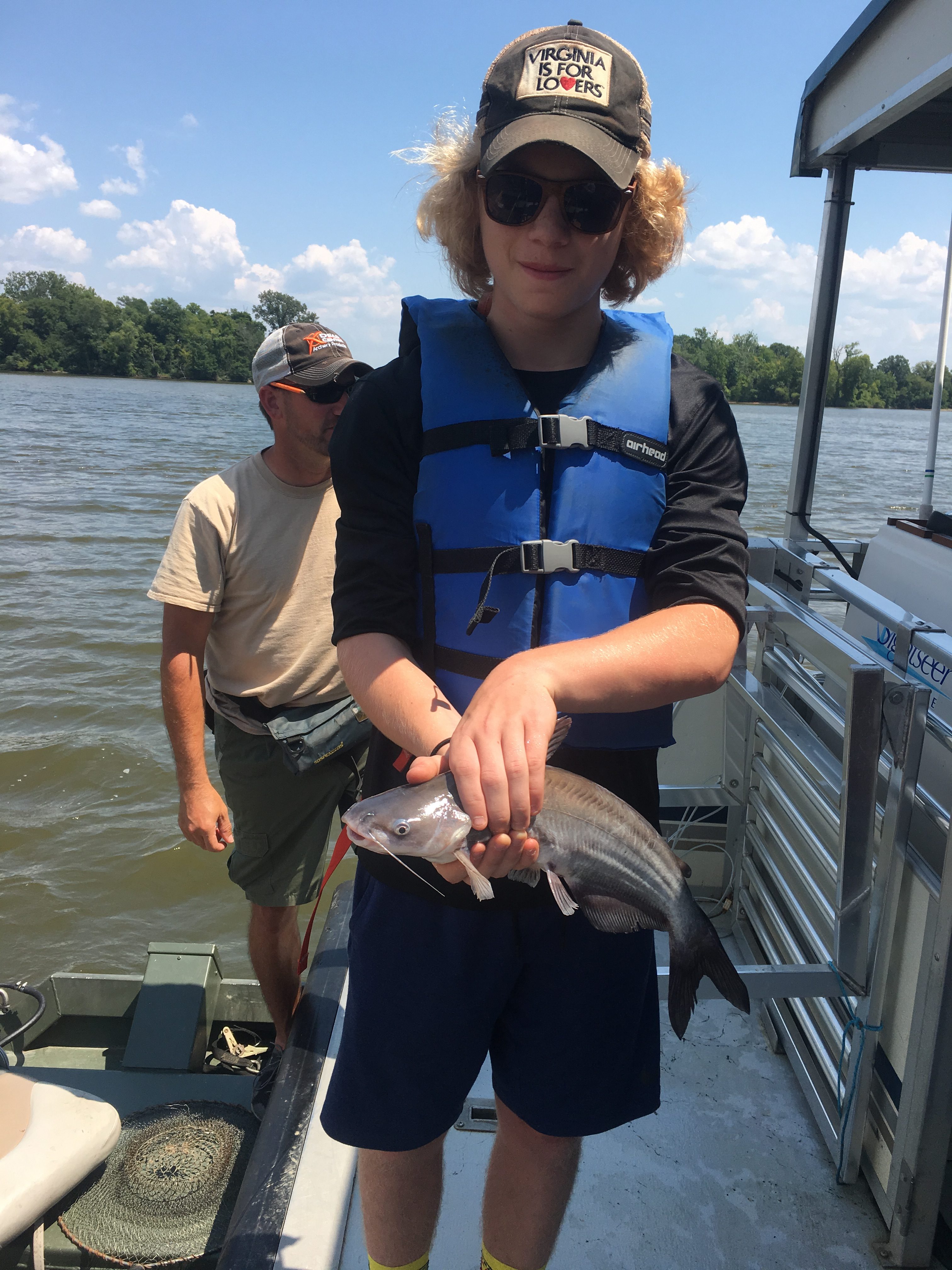
Here are a few ways you can make a difference:
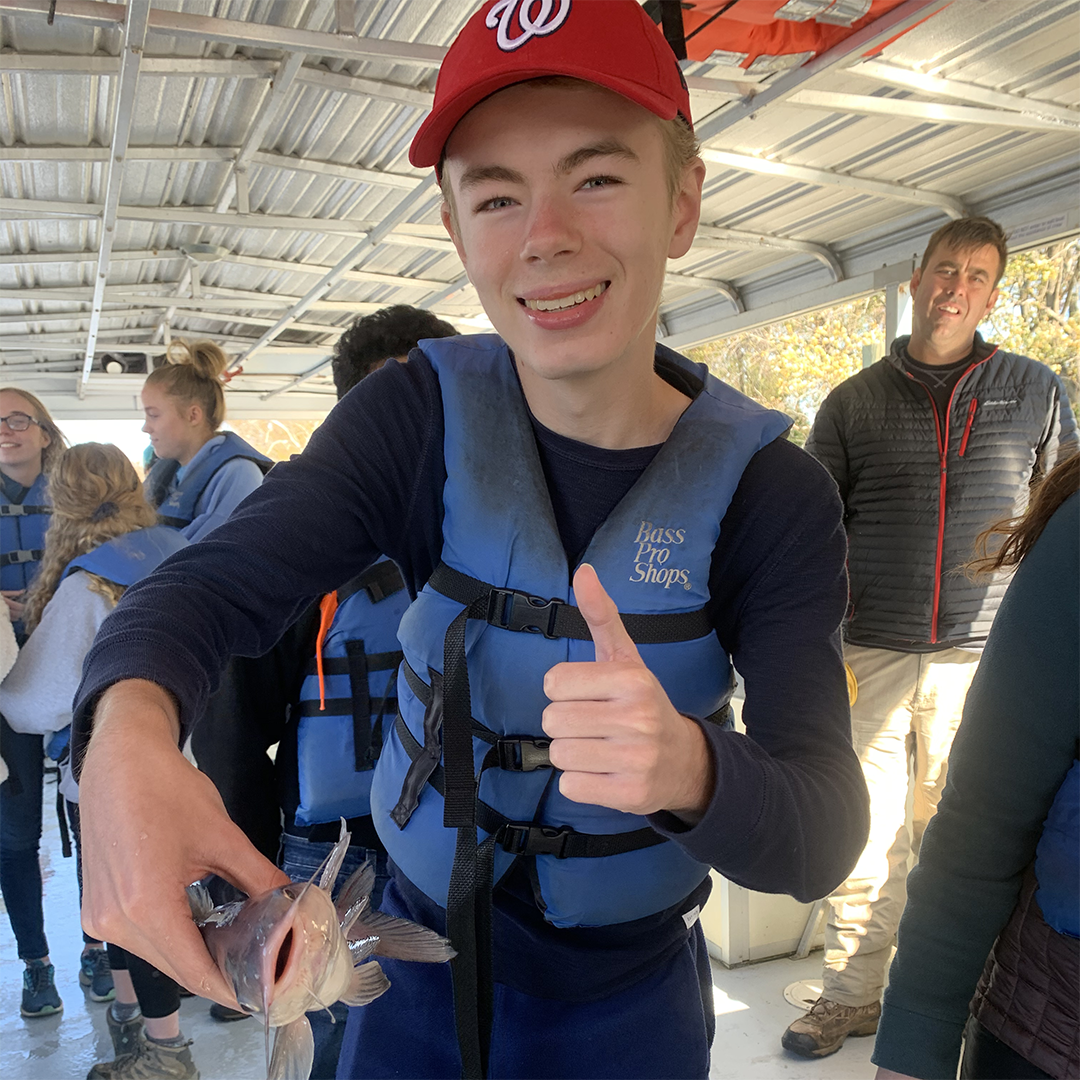
- Keep What You Catch: If you catch a Blue Catfish, especially small fish, don’t release it back into the river. Removing individuals from the population is one of the most effective actions you can take.
- Educate Others: Share what you’ve learned about the impact of Blue Catfish with your fishing community and beyond. Awareness is key to prevention.
- Support JRA’s Work: Your support helps us restore native habitats, improve fish passage, and advocate for stronger protections for native species. Learn more and get involved on our Migratory Fish page.
- Follow Consumption Guidelines: If you eat Blue Catfish, be sure to check the latest VDH advisories to protect your health, your family and friends.
- Get Involved: Whether it’s volunteering for a river cleanup, advocating for policy change, or simply staying informed, your actions help ensure a healthier future for the James.
The James River is a resilient ecosystem, but it needs our help to fight back against invasive species like the Blue Catfish. Together, through education, responsible fishing, and habitat restoration, we can protect the river’s native wildlife and preserve this treasured resource for generations to come.