The James River is home to a rich variety of wildlife and communities. It’s more than just a waterway. It’s a vital ecosystem that supplies drinking water, provides recreation, and supports a thriving natural environment.
But a healthy river doesn’t happen on its own. It depends on natural systems that keep it in balance. Some of the hardest-working species in our ecosystem are oysters and freshwater mussels. These remarkable species not only filter pollutants from the water, they also tell us how the river is doing. In fact, oysters are tracked as an “indicator species” in the James River Association (JRA)’s State of the James report, giving us insight into the health of the James.

The Power of Filter Feeders
So what makes oysters and mussels such powerful players in water quality?
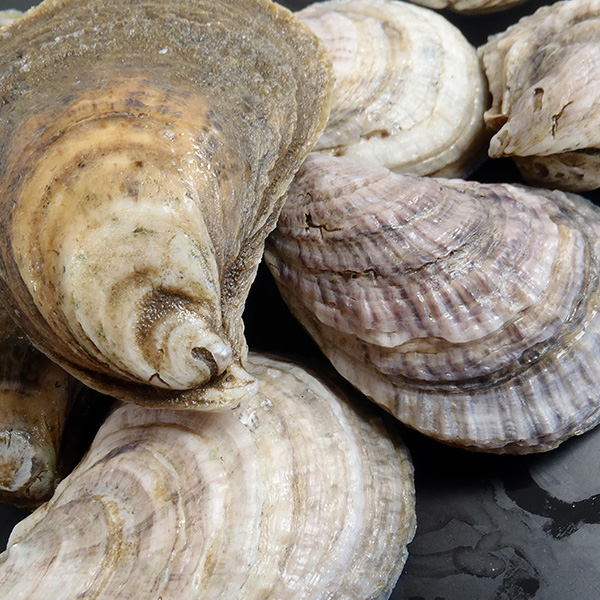
Both are bivalves, aquatic animals with hinged shells, that feed by filtering water. They draw in river water, trap and consume particles like algae and detritus, and expel cleaner water. This natural filtration improves water clarity, reduces harmful algal blooms, and supports aquatic life. In fact, one oyster can filter up to 50 gallons of water per day.
Why They Matter in the James River
Historically, oysters were abundant in both the brackish James River estuary and the broader Chesapeake Bay. They formed massive reefs, supported booming fisheries, and helped maintain clean and balanced ecosystems. Sadly, those days are long gone.
Populations are estimated to be less than 1% of historic levels across the Chesapeake Bay. The steep decline is due to a combination of overharvesting, habitat destruction, poor water quality, and diseases like MSX and Dermo, which thrive when oysters are already stressed by pollution. Freshwater mussels, too, have suffered major population losses, with many native species now threatened or endangered.
These declines are more than just an ecological concern. They’re a cultural and economic loss, too. Fortunately, hope is on the horizon. The James River is home to some of the largest remaining wild oyster reefs in the Chesapeake Bay, including a 585 acre sanctuary called Wreck Shoals. The State of James Report documents a comeback story for oysters, with gradual increases in our wild oyster stocks reported since 2008. Freshwater mussels are also poised for a comeback across the watershed. In 2024, JRA published a Freshwater Mussel Restoration Plan to help prioritize and guide restoration efforts.

What We’re Doing
The JRA is deeply committed to restoring these natural filter feeders and improving the health of the river they call home.
Here’s how JRA is making an impact:
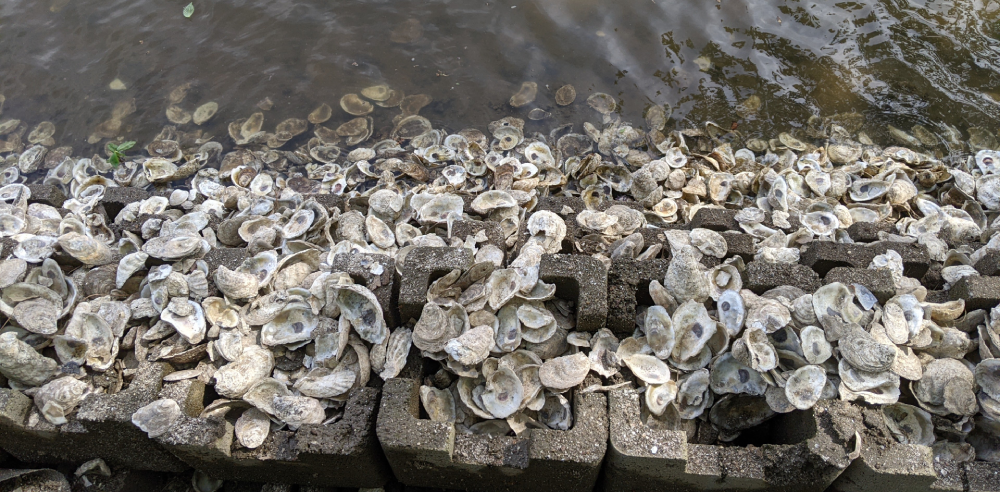
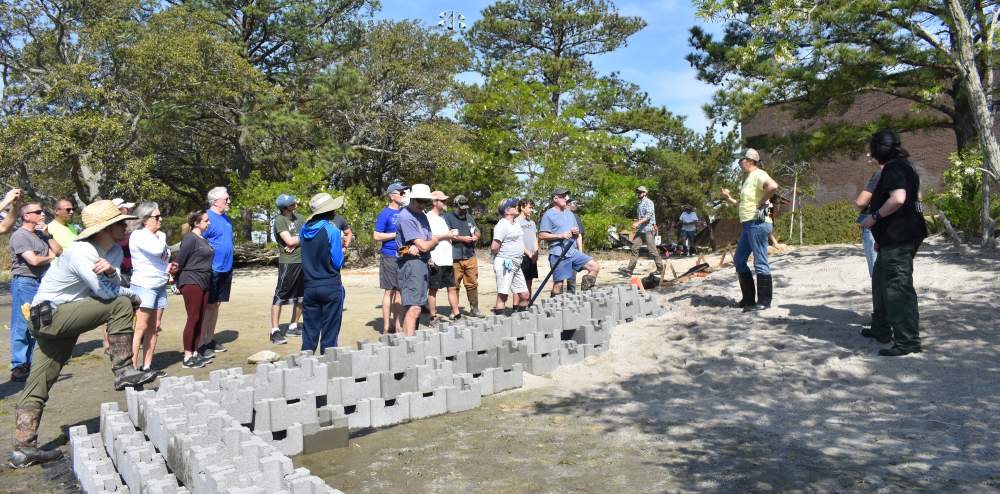
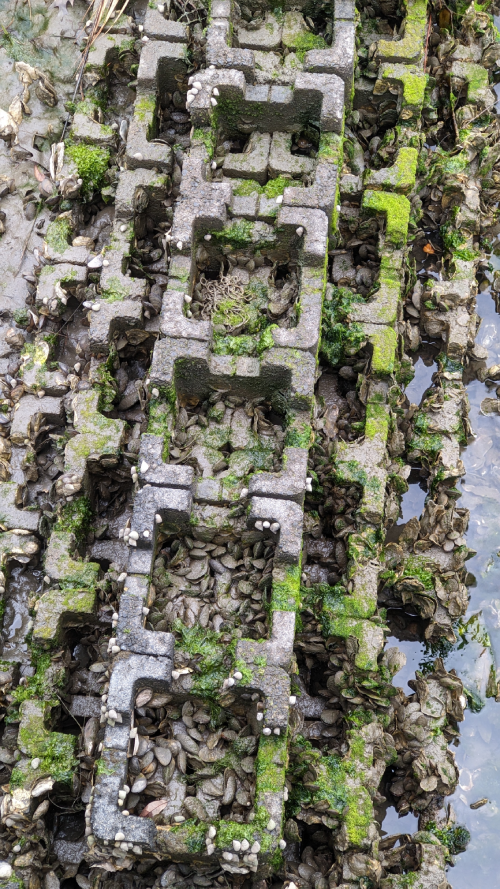
- Building oyster habitat: JRA uses oyster castles and shell bags in living shoreline projects, which help to reduce wave energy and erosion, while creating the reef structure that oysters need to grow and reproduce.
- Freshwater Mussel reintroduction: Through partnerships with researchers and hatcheries, JRA helps reintroduce native mussels into suitable stretches of the river.
- Community science & education: JRA engages students, teachers, and volunteers in learning about bivalves and their ecological role, building a culture of stewardship from the classroom to the shoreline.
These efforts are part of our larger mission to protect and connect people to the James River.

What You Can Do
Here are some ways you can get involved:
- Volunteer with JRA as a Marsh Steward helping to install and monitor living shorelines
- Oyster gardening with the Tidewater Oyster Gardeners Association
- Virginia Oyster Shell Recycling Program
- Create a living shoreline to reduce runoff on your property. Is your property on the watershed? Fill out the James River Living Shoreline Application to receive assistance from JRA.
- Advocate for clean water policies that reduce pollution and protect aquatic habitat
- Support the James River Buffer Program to restore critical streamside vegetation
Your efforts contribute to the clean water that oysters and mussels—and all of us—depend on, be part of the movement to keep James healthy for generations to come.
To learn more about the health of the river and the progress being made to protect wildlife like oysters, visit our State of the James page—a biennial report card that tracks the ongoing efforts to bring the James River back to full health.