
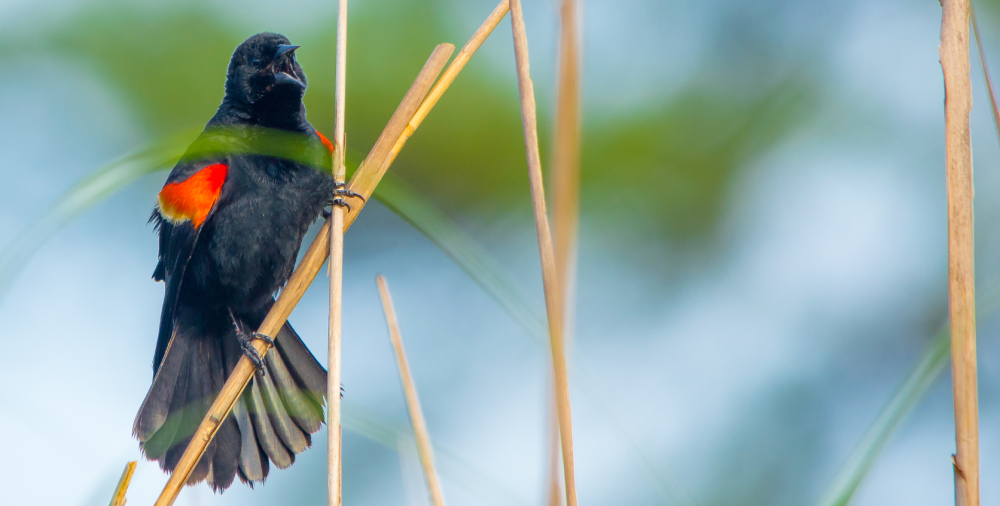
When you walk along the banks of the James River, the soundscape tells a story. In the midst of the rustling leaves and flowing water, you’ll often hear a melody of whistles, warbles, and chirps. These are the voices of the James River’s vibrant community of songbirds, a diverse group of species that do more than just fill the air with music. Songbirds are essential to the health of our ecosystems, and they’re facing mounting challenges.
Why Songbirds Matter
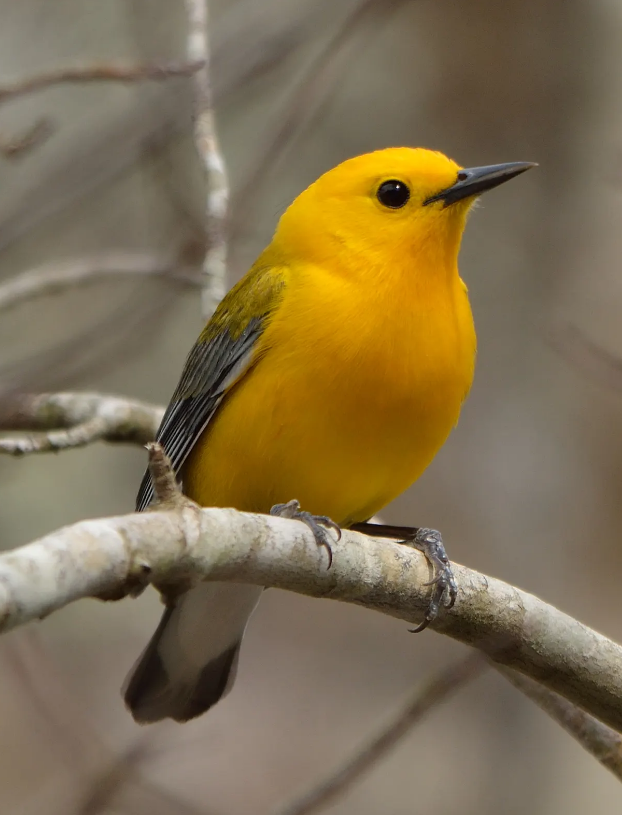
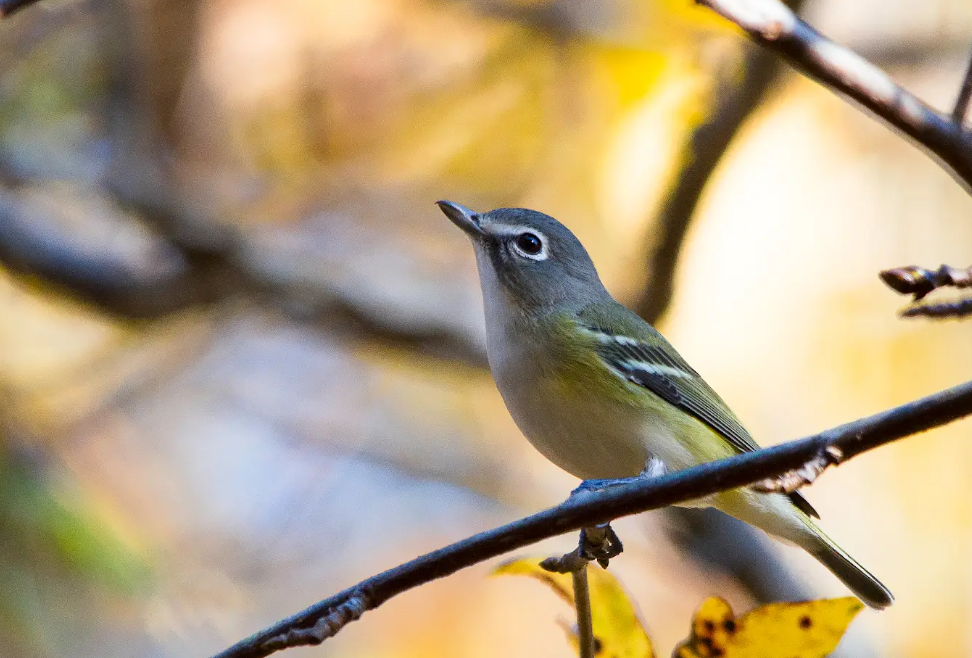
Songbirds, or passerines, play a critical role in maintaining ecological balance. They help control insect populations, disperse seeds, and pollinate native plants. Species like the Prothonotary Warbler, Wood Thrush, and Eastern Towhee rely on the riparian forests and wetlands along the James River for nesting, foraging, and migratory stopovers.
Their presence is more than beautiful, it’s also an indicator of environmental health. When songbird populations are thriving, it’s a sign that forests and waterways are healthy. When they decline, it’s often a red flag that something in the ecosystem is out of balance.
Threats to Songbirds in the James River Watershed
Unfortunately, many songbird species that call the James River region home are in decline. Factors include:
- Chemical insecticide use
- Habitat loss and fragmentation, especially from development and agriculture
- Invasive plant species that displace native vegetation needed for nesting or food
- Climate change, which disrupts migratory patterns and breeding seasons
- Light pollution and window collisions in urban areas
- Predation by domestic cats
These pressures are particularly acute for migratory species that rely on the James River corridor as a stopover during long journeys between North and South America.
How the James River Association Is Helping
At the James River Association, we understand that protecting wildlife means protecting habitats. Our efforts to support songbirds are woven into our broader conservation strategies:
Restoring Riparian Forest Buffers
Through the James River Buffer Program, JRA plants native trees and shrubs along streams and rivers to restore wildlife corridors. These areas not only filter pollutants from runoff but also provide critical nesting and foraging habitat for songbirds.
Managing Invasive Species
JRA partners with landowners and local organizations to remove invasive plants like Japanese honeysuckle and Autumn olive, which outcompete the native understory species that songbirds depend on.
Creating Bird-Friendly Landscapes
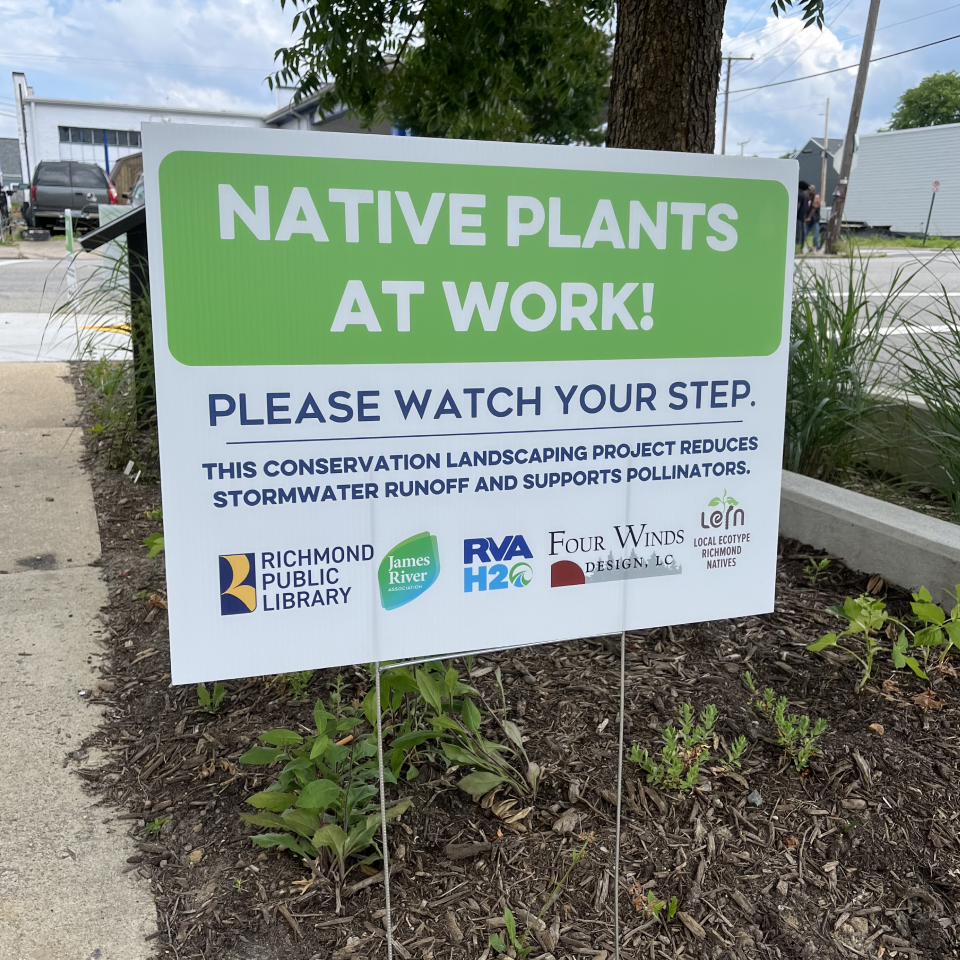
In our outreach and education programs, we encourage homeowners and schools to create bird-friendly spaces using native plants, reducing pesticide use, and installing nest boxes for cavity-nesting birds.
Environmental Education
Through student programs and community workshops, we teach people of all ages about the importance of bird conservation. Activities include guided bird walks, habitat restoration projects, and lessons on how to protect birds in your own backyard.
What You Can Do to Help Songbirds
Protecting songbirds is something we can all be a part of. Here’s how you can contribute:
- Plant native trees and shrubs that provide food and shelter
- Keep cats indoors to prevent unnecessary predation
- Turn off outdoor lights at night during migration seasons
- Reduce pesticide use and promote a healthy backyard ecosystem
- Support local conservation efforts through volunteering or donations
- Birding Trail: Good resource for getting out to birdwatch in the state.
Together, these small steps add up to a big difference.
Songbirds are more than background music, they are guardians of biodiversity and essential threads in the web of life along the James River. By supporting habitat restoration and sustainable practices, we help ensure their songs continue for generations to come.
To learn more about JRA’s habitat restoration efforts and how you can get involved, visit www.jamesriverbuffers.org.