
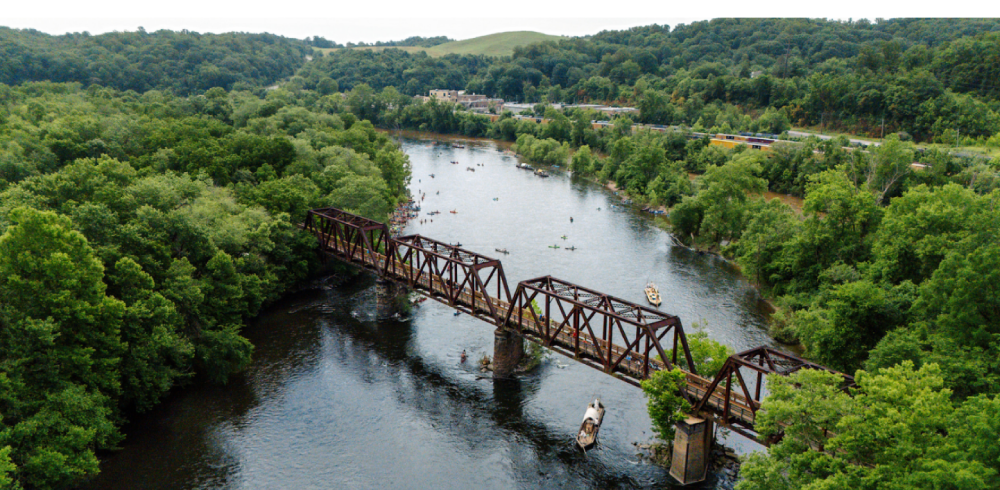
Each week, our dedicated James River Watch volunteers head out across the watershed to monitor key indicators of river health. One of these often-overlooked yet crucial measurements is conductivity, a simple test with powerful insights. Understanding conductivity helps us uncover what’s dissolved in the river, offering clues about pollution, runoff, and environmental change. This week, we’re diving into why this invisible measurement matters, and how you can help protect the James.
What is Conductivity?
Conductivity is a measure of how well water can conduct electricity. It’s directly tied to the concentration of dissolved ions like salts, minerals, and other charged particles in the water.
While it may sound technical, the concept is simple: the more that’s dissolved in the water, the higher its conductivity. Natural elements like dissolved calcium from bedrock, or it can come from human activity, such as road salt or wastewater.
Conductivity levels vary based on an area’s geology. Regions with limestone or clay-rich soils naturally contribute more minerals to rivers. In the tidal sections of the James River, conductivity is also affected by saltwater intrusion from the Chesapeake Bay, especially during dry spells or sea level rise events.
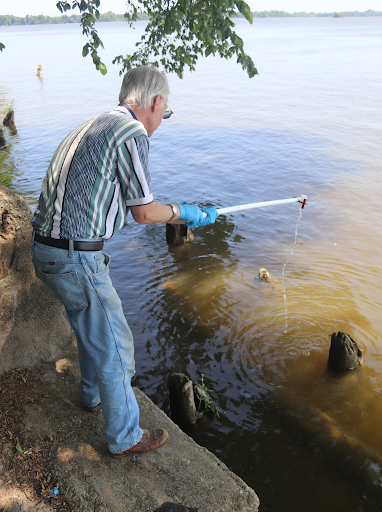
Why does Conductivity matter for river health?
Ecological Impact:
- Aquatic Life Sensitivity: Different aquatic species thrive within specific conductivity ranges. Spikes in conductivity, especially from pollution, can be harmful to sensitive organisms like insects, mussels, and fish.
- Indicator of Pollution: High conductivity can signal the presence of urban runoff, fertilizers, road salts, or industrial discharges. It’s not just about how the river looks, it’s about what’s in the water that you can’t see.
Human Impact:
Conductivity also matters when it comes to human health, especially for communities that rely on the James River and its tributaries for drinking water. While conductivity doesn’t directly identify specific pollutants, it serves as a red flag. Elevated levels often indicate the presence of dissolved substances like salts, metals, and nutrients, which can impact water quality.
For example, high sodium from road salt runoff may be a concern for people with certain health conditions. In some cases, conductivity changes can signal potential corrosion in pipes or pollutant intrusion, which may lead to the presence of harmful contaminants like lead or copper. Monitoring conductivity helps water treatment facilities stay alert to these shifts and respond quickly to protect public health
How do we influence the river’s turbidity?
While natural events like heavy rain stir up sediment and temporarily increase turbidity, human activities also play a significant role:
- Runoff from Land: When rain flows over exposed soil from construction sites, agricultural fields, or even bare patches in our yards, it carries dirt and sediment directly into storm drains and then into the river.
- Erosion: Weakened riverbanks, often from lack of vegetation or strong boat wakes, can erode and contribute large amounts of soil to the water.
- Pollution: Certain pollutants (like Phosphorus or Nitrogen) can also contribute to turbidity or fuel algal blooms that make the water cloudy.
What Can YOU Do to Help?
Even small actions can make a big difference in reducing turbidity:
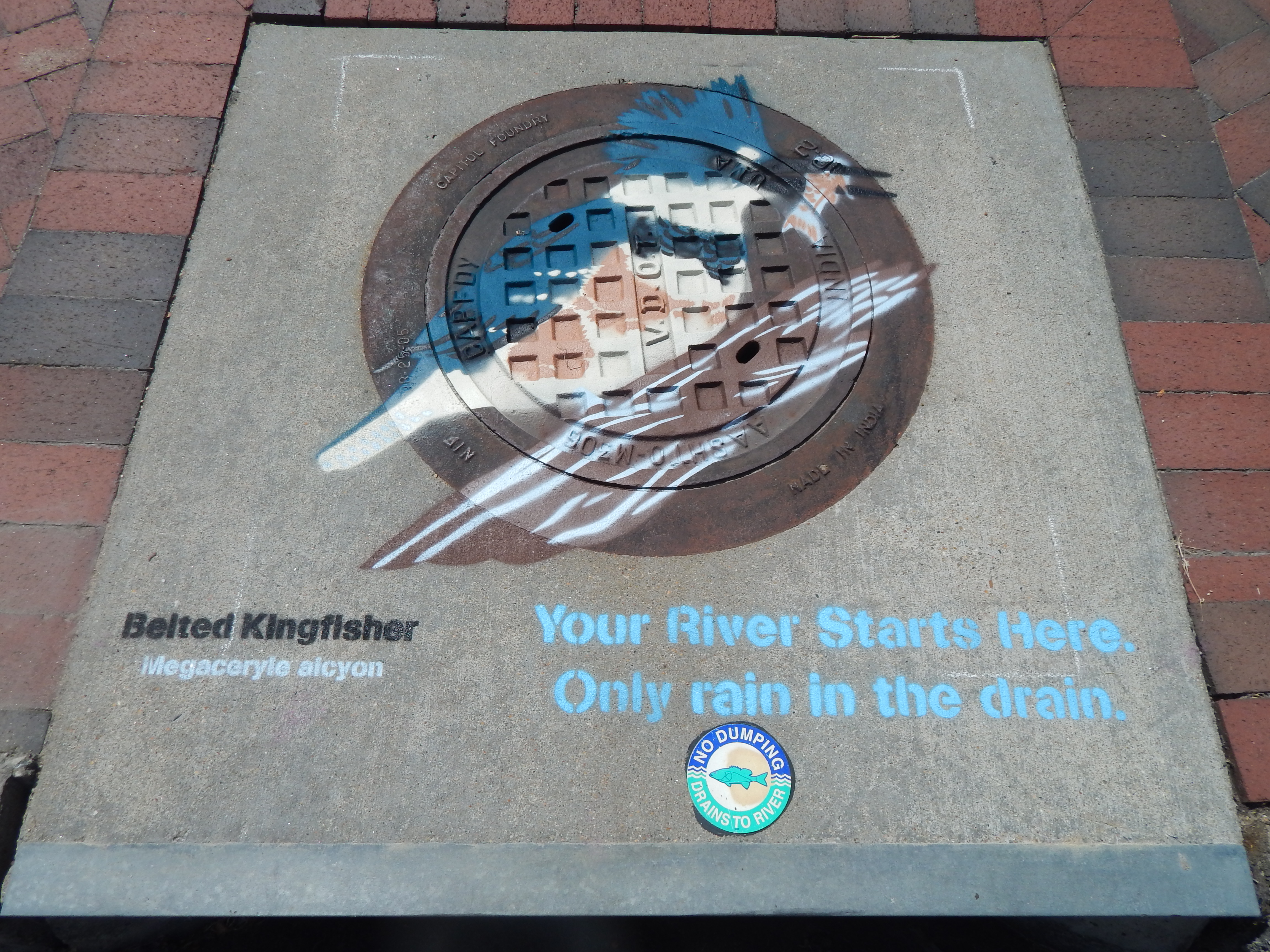


- Dispose of Chemicals Responsibly
Never pour paint, cleaners, or oils down the drain or outside. These chemicals can seep into groundwater or wash into rivers during storms. - Support Green Infrastructure
Advocate for improved stormwater systems and wastewater treatment upgrades in your community. Learn more about our work greening Richmond’s public libraries. - Practice River-Friendly Yard Care
Use fertilizers sparingly, plant native vegetation, and reduce erosion to limit nutrient and ion runoff. Learn more about other river-friendly practices. - Support the James River Association
Your donations help fund vital monitoring, advocacy, and education programs that keep the James River healthy and strong. - Mind Your Salt Use
Use de-icing salts sparingly and sweep up excess before it washes into storm drains. Winter road salt is a major source of pollution, just one teaspoon can contaminate five gallons of water. Runoff from deicing sidewalks and driveways harms aquatic life, soils, and groundwater. Skip the salt when you can: shovel snow early, use bird seed for traction, and apply deicers sparingly (CMA is a better option). While the James River Association monitors water quality during the summer months, winter actions still matter—what we do year-round impacts the health of the river. Join our River Hero Homes program to help protect the James River year-round.
Though it’s invisible to the eye, conductivity is a powerful signal of what’s happening in the James River. Whether it’s minerals from the soil or contaminants from the city, conductivity helps us track the river’s unseen story—and respond to problems before they escalate. Together, we can protect the James for future generations.
We invited you to explore conductivity at one of the 38 monitoring stations across the James River on the James River Watch website from Memorial Day to Labor Day!