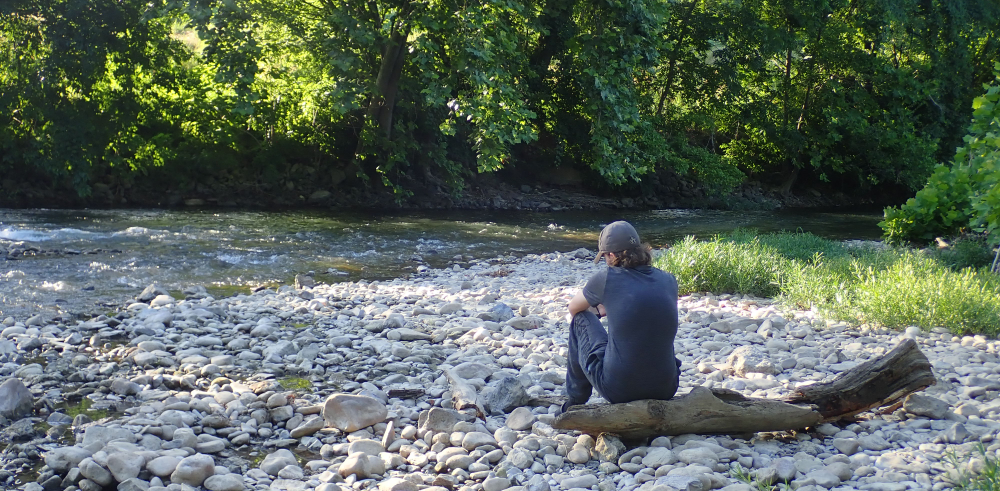
One day the James River may appear calm and serene, the next it’s rushing and wild. These daily changes aren’t just scenery, they affect everything from how fun your trip will be to whether it’s even safe to be on the water. Whether you’re kayaking, tubing, fishing, or just enjoying the view, knowing the river’s current conditions is key to planning a safe outing.
Two of the most important measurements we use to track river conditions are River Flow and River Stage, which are monitored using U.S. Geological Survey (USGS) river gauges. At the James River Association, we rely on this data to help you understand river safety, avoid hazards, and enjoy the water responsibly.
What are River Flow and River Stage?
- River Stage (Gauge Height):
Often referred to as “stage” or “gauge height,” this is the height of the river’s surface relative to a fixed point (the river gauge). It helps us understand if the river is rising or falling, signaling potential flooding or, on the flip side, exposing dangerous underwater features. - River Flow (Discharge): Measured in cubic feet per second (cfs), river flow, or discharge, is the volume of water passing a point in the river over time. This tells us how powerful the river is, beyond just how deep it looks. A high flow rate can turn a mild stream into a forceful current, while a low flow rate can leave boats scraping rocks.

Why Do Flow and Stage Matter for River Safety?
- High Stage (Rising Water Levels):
- Submerged Hazards: Rising water can hide rocks, branches, and rapids that would usually be visible. Debris brought into the river during these circumstances and make sections of the river you are familiar with different and even dangerous.
- Access Issues: Boat ramps or take-out points may be underwater and hard to find or use safely.
- Flood Risk: Extremely high stages can mean flooding in nearby areas, which can damage property, buildings, other infrastructure, and be unsafe for people nearby the water
- High Flow (Strong Currents):
- Increased Power: Strong currents are harder to paddle or swim through and can sweep people or boats downstream.
- Dangerous Features: Fast-moving water can create or enhancepowerful hydraulics near dams, strainers, or fallen trees, potentially trapping even experienced paddlers.
- Debris: High flow can carry logs and debris that create collision or entrapment risks.
- Low Stage/Flow (Low Water Levels):
- Exposed Hazards: Rocks and shallow areas can become visible, increasing the risk of injuries or equipment damage.
- Navigation Difficulty: Shallow water may require getting out of your boat to portage around obstacles.
- Ecological Impact: Low flows mean warmer temperatures and less oxygen in the water, harmful for fish and other wildlife.
- Rapid Changes: Fast shifts in river flow and stage, like after a heavy rainstorm or dam release, are particularly hazardous because they can catch river users off guard. One moment the river seems safe, and the next it’s a torrent.
How Are Flow and Stage Measured?
The James River Association pulls real-time data from USGS river gauges placed at key points along the river. These gauges continuously monitor water height and flow rate and make this information available to the public. We use it to update JamesRiverWatch.org, where you can easily check current conditions before heading out.
What Can You Do to Stay Safe?
- Always Check Gauges Before You Go:
Make it a habit to visit JamesRiverWatch.org before any river trip. Our interactive map displays the most recent flow, stage, and bacteria level readings across the watershed. - Know Your Limits:
Not every section of the river is safe for every paddler or boater. Know what cfs and gauge height are appropriate for your skill level and your vessel, whether you’re in a kayak, canoe, or motorboat. - Be Aware of Recent Weather:
Rainfall directly impacts both river flow and stage, often within hours. After storms, river conditions can change quickly and dramatically. - Wear a Life Jacket and appropriate PPE:
This is essential, especially during periods of high or fast-moving water. Even strong swimmers can be overwhelmed by river currents. - Go with Experience (If Unsure):
If you’re new to the river or exploring a new stretch, bring along someone experienced or consider booking a guided trip.
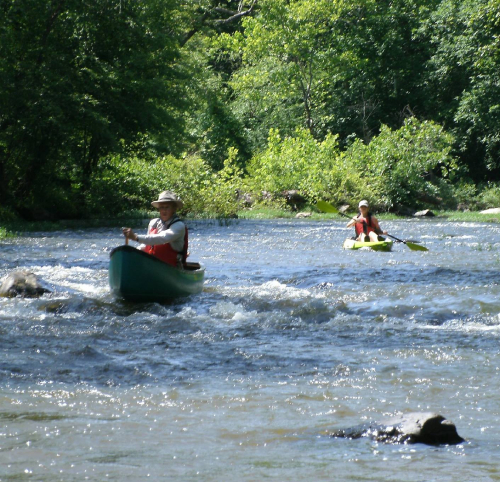
Understanding river flow and stage isn’t just for scientists, it’s for everyone who loves the James River. Knowing what the river is doing can be the difference between a great day on the water and a dangerous one.
Check the latest flow and stage data, along with bacteria results, at JamesRiverWatch.org before your next adventure! Stay safe and enjoy the river responsibly.