In the upper reaches of the James River watershed, few fish excite anglers more than the Smallmouth Bass. Known for their spirited fight and remarkable strength, these fish are a prized catch for sport fishers across Virginia. But the Smallmouth Bass is also a powerful indicator of the James River’s health.
While our James River Watch volunteers provide a weekly snapshot of river conditions, monitoring bacteria levels, temperatures, and more, the Smallmouth Bass offers insight into the river’s long-term health. Tracking their population trends over time is a key part of the State of the James Report, which helps us understand whether our collective conservation efforts are paying off.
What is a Smallmouth Bass?
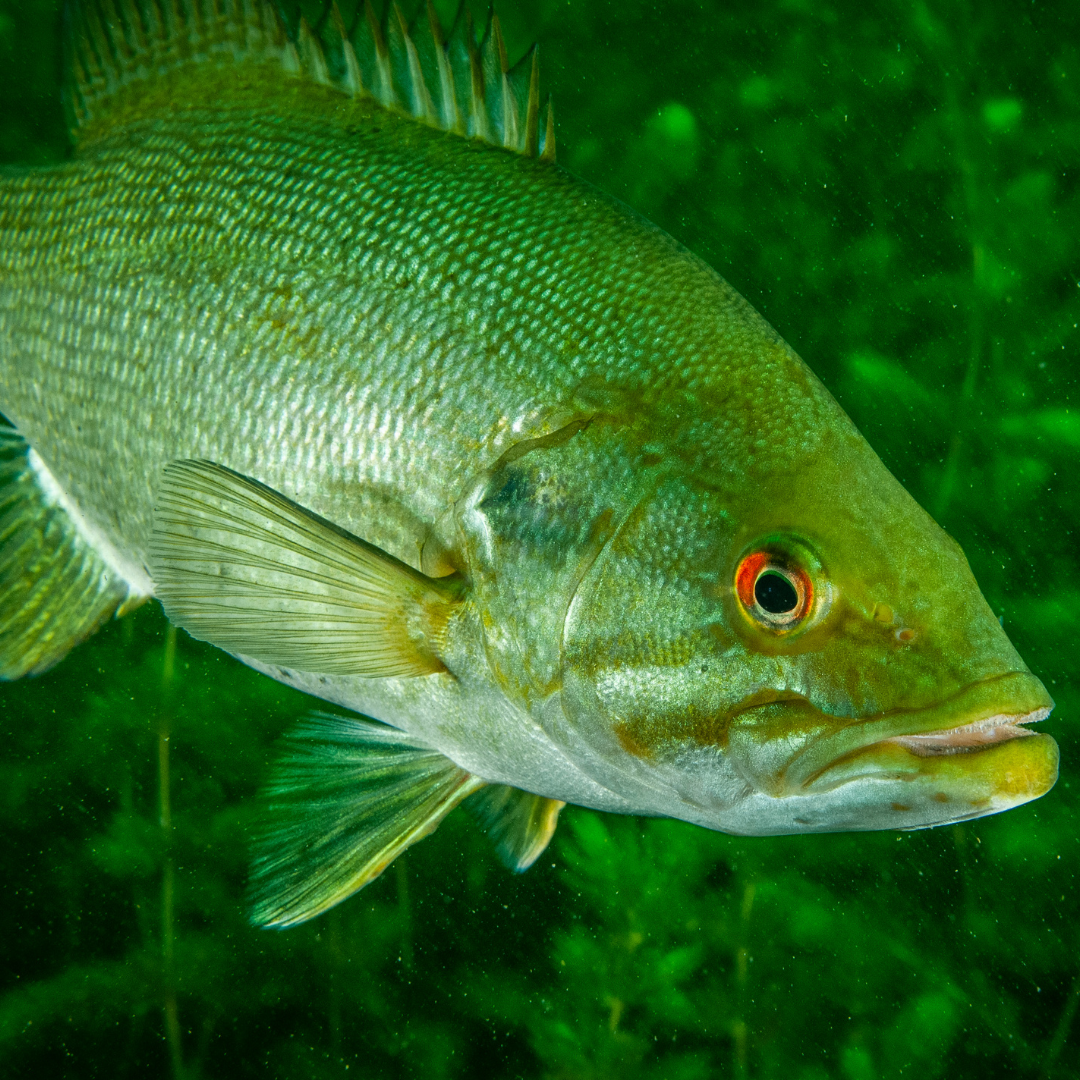
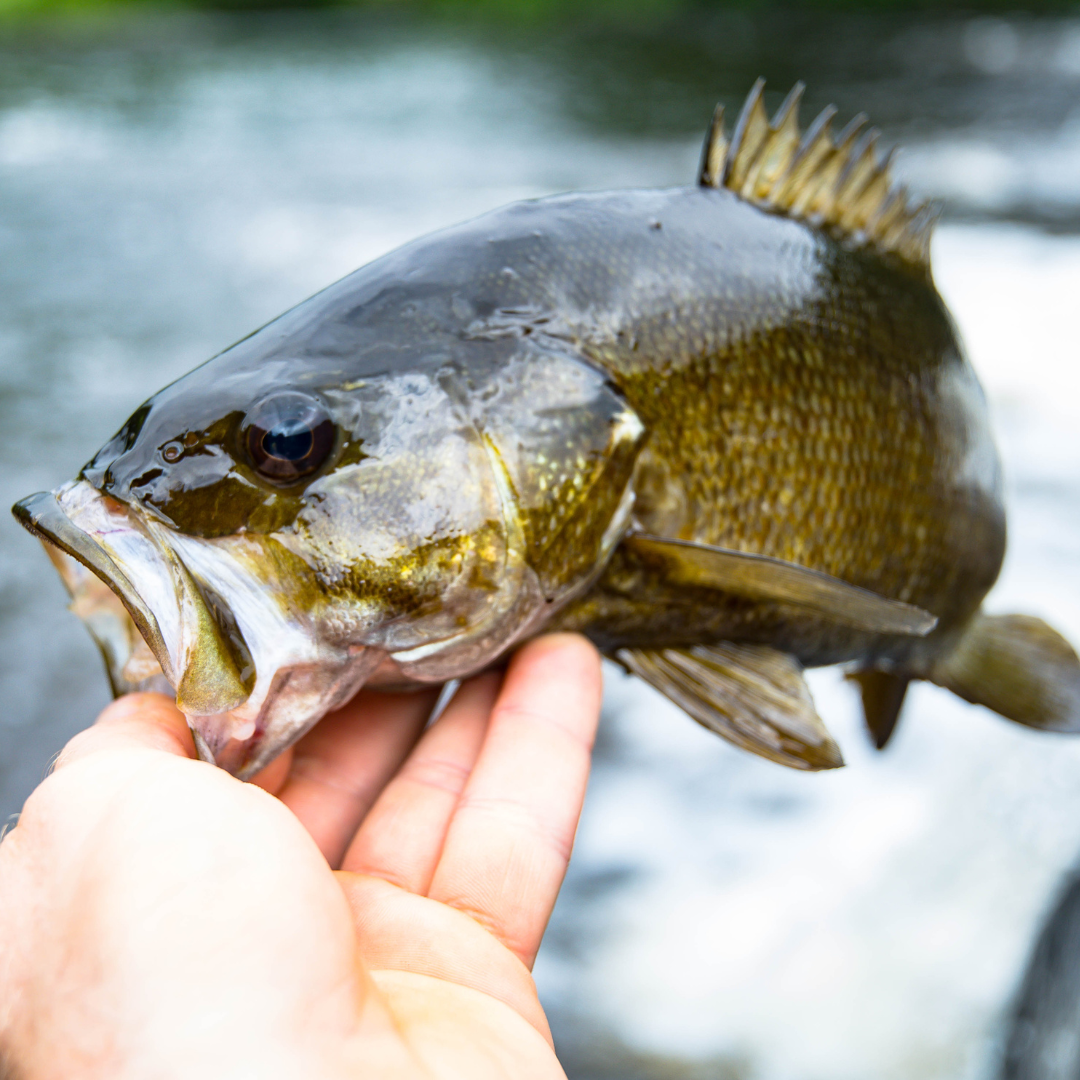
The Smallmouth Bass (Micropterus dolomieu) is a freshwater fish native to Southwest Virginia that has also been introduced to the James River watershed. They’re typically bronze to olive in color, with dark vertical bars along their sides and a strong, streamlined body built for life in swift-moving waters.
Habitat:
They thrive in cool, clear streams and rivers with rocky or gravelly bottoms, habitats that provide both food and shelter. In the James River, they are most abundant in the upper watershed, where the water runs cleaner and cooler.
Role in the Ecosystem:
Smallmouth Bass are top predators in their habitat, feeding on insects, crayfish, and smaller fish. In turn, they help maintain balance in aquatic food webs, ensuring that no single species overpopulates and disrupts the ecosystem.
Why Smallmouth Bass are a Key Indicator Species
Smallmouth Bass are highly sensitive to changes in their environment, which makes them an excellent barometer of river health.
They require:
Cool, Clean Water: They do not tolerate high water temperatures or low dissolved oxygen levels, conditions often worsened by pollution or excessive nutrient runoff.
Stable Habitats: Smallmouth Bass need clean, rocky riverbeds for spawning. When sediment from erosion or runoff clogs these habitats, it can drastically reduce reproduction rates.
A healthy Smallmouth Bass population is a sign of a healthy river. Conversely, a declining population can be a red flag, signaling water quality issues, habitat degradation, or other environmental stressors that need attention.
Threats Smallmouth Bass Face
- Sediment Pollution: Soil erosion from construction, agriculture, and deforestation can cloud the water and smother spawning beds.
- Habitat Lost: Development and poorly managed land use can strip away the natural vegetation that protects riverbanks and cools the water.
- Water Temperature: As climate change and urban heat contribute to rising water temperatures, these fish face increased stress. Our James River Watch volunteers help track these fluctuations by monitoring air and water temperatures weekly.
- Invasive Species: Competitors like the Alabama Bass (read more here) and threats from introduced parasites and diseases can disrupt Smallmouth populations.
Smallmouth Bass in the State of the James Report
The State of the James Report is a comprehensive assessment of the James River’s health, released every two years. It evaluates progress toward a fully healthy river by grading factors such as water quality, habitat, and wildlife.
Smallmouth Bass population trends are one of the key metrics used to assign a grade. Their numbers reflect the cumulative effects of water quality, habitat stability, and broader ecological changes, offering a clear view of how the river is faring over time.
What can you do to help?
- Practice Catch and Release: Handle Smallmouth Bass gently and release them promptly, especially in warmer months when stress levels are higher.
- Support Riparian Buffers: Planting trees along riverbanks provides shade to keep waters cool, stabilizes banks to prevent erosion, and improves habitat quality.
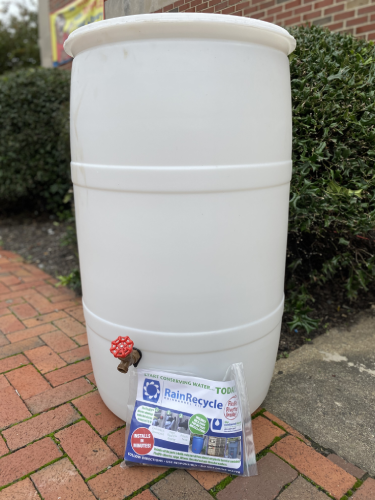
- Reduce Runoff: Install rain gardens, use permeable paving, and manage stormwater on your property to keep excess sediment and pollutants out of the river.
To learn more about the health of the James River and what the data tells us about our fish and wildlife, check out the upcoming State of the James Report this October! www.stateofthejames.org