Invasive species threaten Virginia’s rivers, lakes, and streams–damaging ecosystems, harming native wildlife, and disrupting recreational activities. Whether you’re a boater, angler, or simply enjoy time on the water, your actions matter. By following a few simple steps, you can help prevent the spread of invasive aquatic species and preserve the health of Virginia’s waterways for future generations.
Why Invasive Species Are a Problem
Invasive species are non-native, or “introduced”, plants, animals, or microbes that cause outsized harm to a native environment. According to Virginia’s Invasive Species Management Plan (VIMP 2025), they are defined as organisms that:
- Cause significant economic damage to agriculture, infrastructure, or recreation
- Degrade natural ecosystems, outcompete native species, or threaten human health
- Spread unintentionally through human activity, such as moving fish between waterbodies
In Virginia’s waters, as with elsewhere in the state, invasive species pose serious threats to native wildlife. They disrupt food chains, damage boats and other infrastructure, and reduce biodiversity, making our rivers and lakes less enjoyable for everyone.
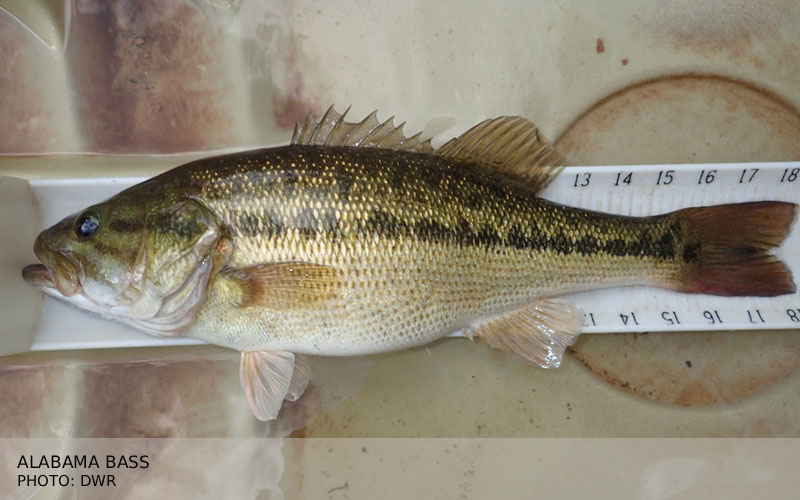
Alabama Bass
Introduced to Virginia’s waters through illegal stockings and unauthorized transfers from its native range in southeastern United States. Primarily introduced as a game fish, once established, it began to outcompete largemouth bass and hybridize with smallmouth bass and spotted bass. Its aggressive feeding habits disrupt local food webs, reducing populations of smaller fish and invertebrates.
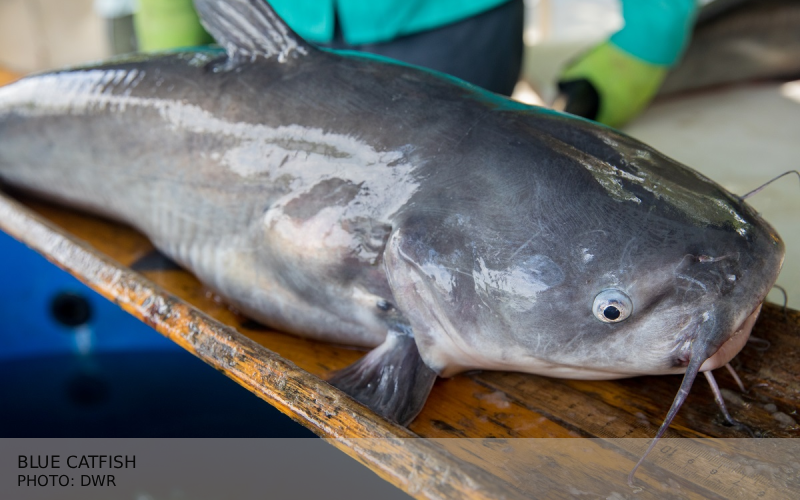
Blue Catfish
Originally native to the Upper Tennessee River Basin, the blue catfish was introduced to Virginia’s Chesapeake Bay tributaries in the 1970s as a recreational trophy fish during a decline in striped bass populations. Since then, its population has exploded, outcompeting (or gobbling up!) native species like white catfish and American shad for food and space. Their voracious appetite for mussels, crabs, and small fish disrupts the balance of aquatic ecosystems, leading to declines in native species.
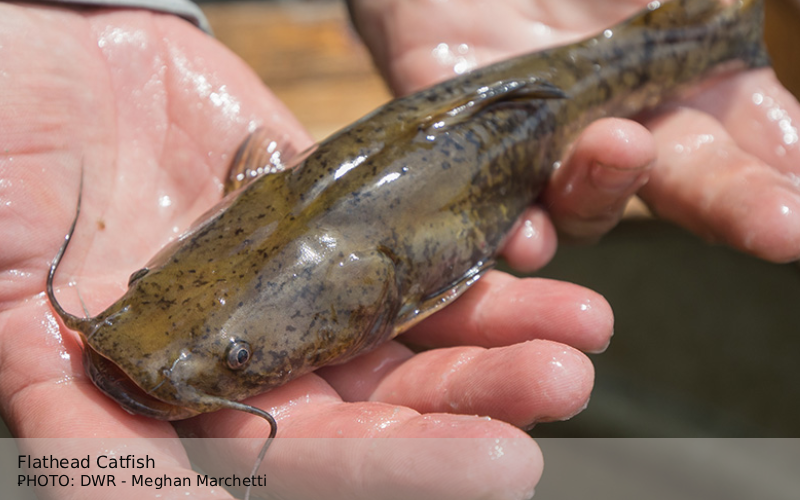
Flathead Catfish
Native to the Upper Tennessee River Basin, these fish were illegally stocked in Virginia’s waters by anglers seeking larger catches. This invasive predator displaces native fish species such as sunfish and catfish by preying on them and outcompeting them for resources. Their presence has led to declines in native fish populations, particularly in the James and Rappahannock rivers.
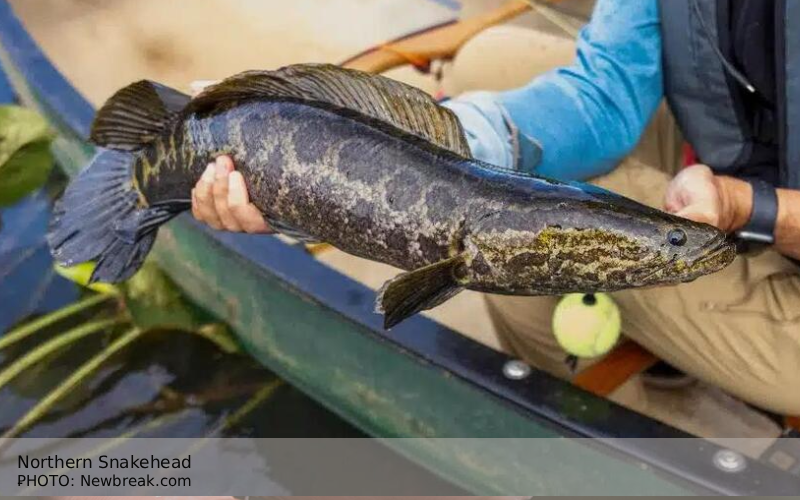
Northern Snakehead
Originally from East Asia, the northern snakehead was introduced to the United States through the aquarium trade and live food markets before establishing populations in Virginia’s waters. This aggressive predator outcompetes native fish for food and habitat, while also introducing harmful fungal diseases that threaten fish farms and wild populations. Its ability to breathe air and travel short distances over land allows it to spread rapidly to new waterbodies.
Invasive Mollusks:
Zebra Mussels
Native to Eurasia, zebra mussels were introduced to the United States through ballast water discharge from ships and have since spread to Virginia’s rivers and lakes. These small, striped mussels attach to boats, docks, and other infrastructure, causing damage and suffocating native mussels. Their sharp shells create hazards for swimmers and wildlife and can alter aquatic ecosystems with their dense formations.

Invasive Aquatic Plants:
Hydrilla (hydrilla verticillata)
Introduced as an aquarium plant, Hydrilla has become one of the most problematic invasive aquatic plants in Virginia. In lakes, and to a lesser extent in rivers, this fast-growing plant chokes waterways, blocking sunlight and displacing native aquatic vegetation that fish and wildlife depend on. Its dense mats tangle boat propellers, trap swimmers, and clog irrigation systems, creating economic and recreational challenges.

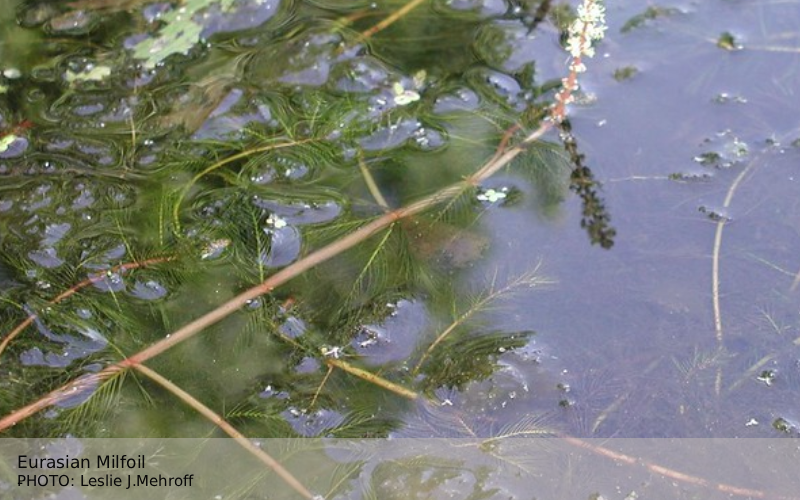
Eurasian Milfoil (Myriophyllum spicatum)
Native to Europe and Asia, Eurasian milfoil was introduced to the United States through the aquarium trade and boat traffic and has since spread to Virginia’s lakes and rivers. This invasive plant forms dense mats that block sunlight, reduce oxygen levels, and disrupt fish habitats. In extreme cases, its tangled stems trap swimmers and damage boat propellers, creating safety and recreational issues.
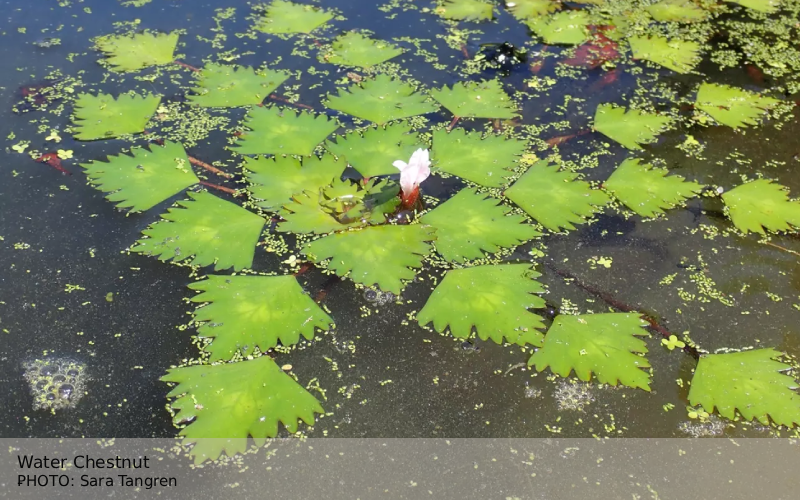
Water Chestnut (Trapa bispinosa)
Introduced to the United States as an ornamental plant, and has since invaded Virginia’s waters. This floating plant forms dense mats that block sunlight, reduce oxygen levels, and hinder recreational activities like boating and fishing. Its sharp, spiny seeds create hazards for swimmers and wildlife.
Didymo/Rock Snot (Didymosphenia geminata)
A single-celled algae native to colder regions but has become invasive in Virginia’s Jackson, Smith, and Pound Rivers. It spreads through contaminated fishing gear, boats, and waders, blanketing riverbeds and smothering aquatic life. Unlike typical algae blooms, didymo forms thick, brown mats that alter habitats and reduce biodiversity.

Invasive Crayfish:
Rusty Crayfish
Native to the Ohio River Basin, the rusty crayfish were introduced to Virginia’s waters through bait bucket releases and aquarium discards. These invasive crawfish destroy aquatic vegetation, which serves as critical habitat and nursery grounds for fish and other wildlife. Their aggressive feeding habits displace native crayfish species, reducing biodiversity in affected areas.
