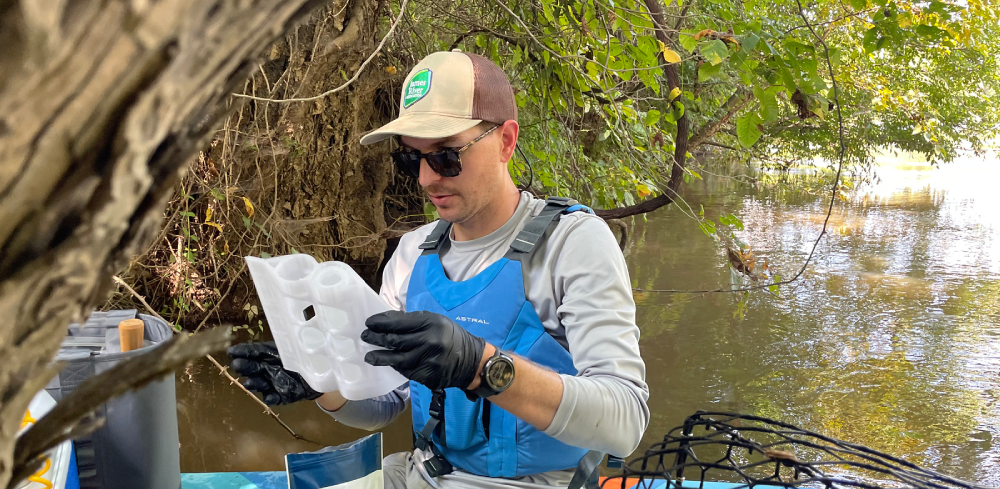
When you look out over the James River, you are looking at a vibrant ecosystem that supports communities all across Virginia. But our waterways need advocates to speak on their behalf. Enter our “waterkeepers.” The Waterkeeper Alliance is a global movement of grassroots advocates united to protect local waterways and ensure the fundamental human right to drinkable, fishable, and swimmable waters. Whether they carry the title of “Baykeeper,” “Coastkeeper,” “Soundkeeper,” or “Riverkeeper,” these leaders serve as the eyes, ears, and, most importantly, the voice of essential natural features that cannot advocate for themselves.
To give you a closer look at the vital work happening right here in our watershed, we sat down with our very own James Riverkeeper, Tom Dunlap, to discuss the unique joys, challenges, and pressing issues facing the James today.
Q&A with Tom Dunlap
What’s your favorite thing about being the James Riverkeeper?
Tom: Every day is something different! One day I might be out on the water investigating a pollution report, and the next I’m collaborating with community partners, reviewing policy, or speaking with local residents. That constant variety keeps the work incredibly exciting.
On the flip side, what is the most challenging part of the job?
Tom: Honestly? Every day is something different! The exact same thing that makes this job wonderful also makes it a challenge. It can be tough to balance the unpredictable nature of the river’s needs—you have to be ready to pivot at a moment’s notice when an urgent issue arises.
What’s one common myth or misunderstanding people have about the river that you’d like to fix?
Tom: Many people’s relationship with the James starts from a position that the river is unsafe, dirty, or carries some other negative connotation. But the truth is, the James is an amazing resource that provides so much for us; it is the entire reason we’re here in Virginia right now. It’s an absolute treasure. When people finally warm up to it, I think they see that too, though it takes some folks a bit longer than others to get there.
What should someone do if they see an issue on the river?
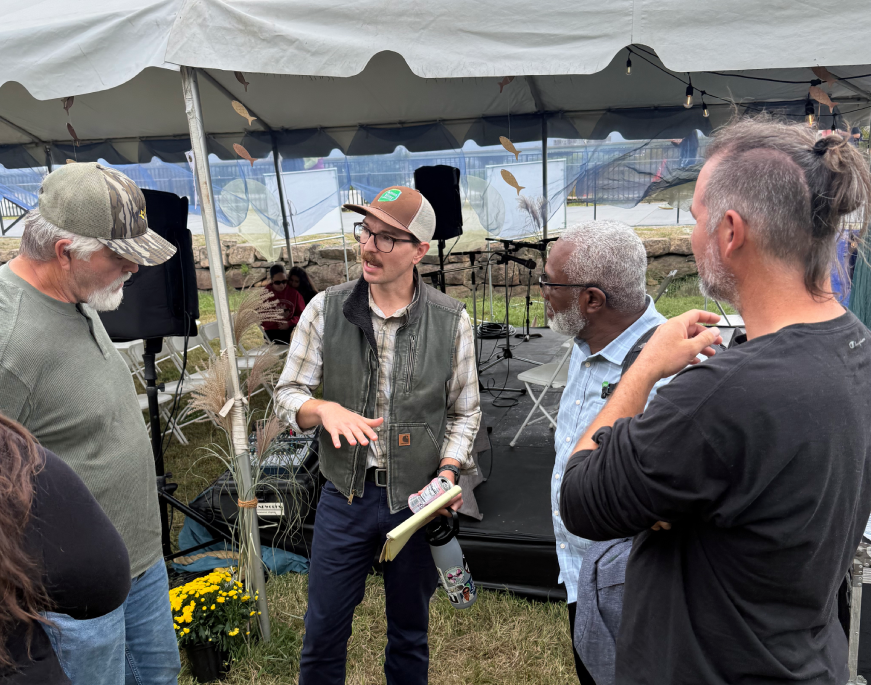
Tom: If you see an issue on the river, you should always make sure to let someone in a position to do something about it aware of the situation. For some folks, that’s as simple as calling the Riverkeeper directly. For our trained River Rat volunteers, we provide them with the knowledge and understanding to respond and alert the appropriate local, state, and federal authorities, in addition to looping me in.
What types of issues would you want to hear about?
Tom: Good things, not-so-good things, great things, and all the rest. Whether it’s a potential pollution concern or a fantastic wildlife sighting, keeping tabs on all of it helps us truly understand the state of the river.
What’s something currently keeping you up at night about the James River?
Tom: I’m deeply concerned about the aggregate land use change in the watershed. As individual private property decisions accumulate over time, they can add up to a much less resilient landscape. When you look at that trend against the backdrop of climate change, it poses a massive challenge for the long-term health of the river.
Be the Eyes and Ears for the James
Protecting a 10,000-square-mile watershed takes a village—and it requires all of us to step up. You don’t need a background in science to stand up for our river. Whether you want to volunteer for our next water quality monitoring season, report a potential pollution concern, or learn more about our watershed advocacy, everything you need to get started is on our James Riverkeeper page.