
From Data to Action: Revealing the Best, Addressing the Worst, and How Our Data Drives Solutions.
Some stretches of the James are as clean as it gets. Others, not so much. Here’s what our 2025 James River Watch monitoring data found — and how we’re using it to try to fix the worst spots.
The Best of 2025
Two sites stood out for outstanding water quality, both passing bacteria standards 100% of the time:
Maury River at Goshen Pass Wayside
James River at Hardware
These results are a testament to healthy surrounding land use and the protective buffers that keep pollution out of the water. A great reminder of what’s possible across the watershed!
The Worst of 2025
Two sites struggled significantly, with bacteria levels exceeding safe standards far more often than not:
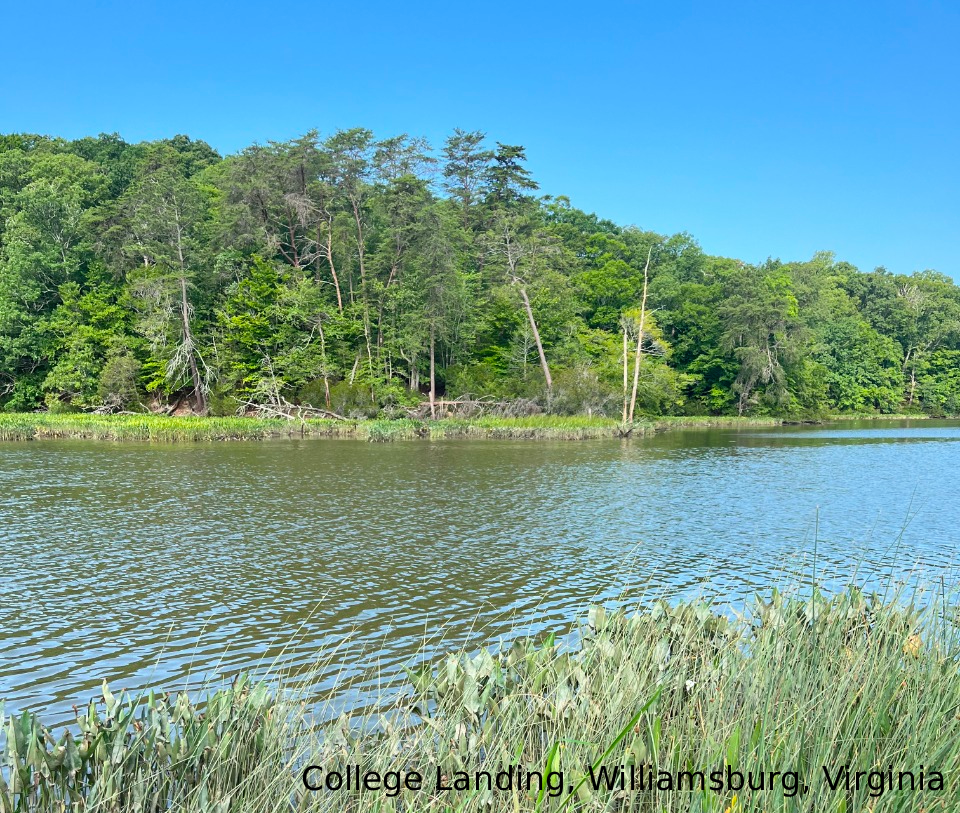
College Landing: passed only 8% of the time
Powhatan Creek: passed only 15% of the time
So far in 2026, the same sites are holding their rank since monitoring resumed on Memorial Day, 2026.
Chapel Island: Data Leads to a Fix
This is exactly why monitoring matters: we have to know where the problems are if we want to fix them. In 2025, our data helped identify an illicit discharge from a Richmond apartment complex that was driving up bacteria levels at Chapel Island, our third-worst site of the year. The pattern our volunteers documented put a spotlight on the issue, leading city officials to trace the discharge to the Haxall Canal and resolve it. Thanks to that fix, we’re expecting Chapel Island’s passing rate to improve significantly in 2026.


Efforts Underway at Our Toughest Sites
We’re now turning that same focus toward College Landing, which, along with Powhatan Creek, has shown elevated bacteria levels nearly every single week for at least four years running. We’re working with local partners to investigate potential sources of contamination and push for solutions.
The Hampton Roads Sanitation District (HRSD) began microbial source tracking this spring using the HF183 indicator, which can pinpoint human waste specifically. The first round of sampling turned up two detections in the College Landing watershed, at concentrations high enough to warrant follow-up, and HRSD believes this source is likely driving the high bacteria values seen at the site. Next steps include repeat sampling at all sites, additional sampling near the two hits, and walking the sewer lines immediately upstream to look for signs of overflows or structural defects like cracked or leaking pipes. If a clear source like that turns up, HRSD has a program that can fully fund the locality’s repair.
We’re proud to say that the years of data collected by JRW volunteers and the JRA team have built the backbone of the case to get this stretch of the river cleaned up.
Get James River Watch results delivered to your inbox each week by subscribing to our alerts system.